Negotiating a house price effectively requires preparation, research, and the right approach. Whether you’re preparing to make your first offer on a house or need to renegotiate the asking price even after your offer has been accepted, understanding the process and having a solid strategy will help you secure the best possible price.
Before you submit an official offer on a property, it’s important to make sure you’re in a strong negotiating position:
Stay objective: Keep emotions in check during negotiations. This is a significant financial transaction, so focus on the logical aspects such as price, market value, and the condition of the property rather than becoming emotionally attached.
Until contracts are exchanged, your purchase is not legally binding, which means you can renegotiate the price based on new information. Whilst survey findings are the most common reason for post-acceptance renegotiation, there are other valid reasons you might seek to revise your offer:
Important considerations when renegotiating:
The seller might compromise: In many cases, sellers will meet you halfway rather than lose the sale entirely and have to start the process again with a new buyer who will likely discover the same issues.
Your offer to purchase a property is ‘subject to contract’ and this includes the results of any survey that is undertaken. If your survey report identifies defects in the construction or any repairs that should be done, then these will affect the property value due to the cost associated with the repairs.
How will the Estate Agent react?
• Estate agents commonly see this every day so won’t be phased by your asking to renegotiate.
• Some people will pull out of the sale completely due to defects from the survey findings.
• The sellers and estate agents should not dismiss your concerns as other buyers will also find the same defects.
• It is also worth noting that the agents would not have known about the repairs when they valued the property, so a discount is not an unreasonable request.
What to do next – the best way to renegotiate an ‘accepted offer’…
1. Do not leave it down to the estate agent to just pass on a verbal message to the seller.
2. Write a formal email or letter, with your new proposed offer and that this is due to findings in your survey report by an independent RICS Chartered Surveyor.
3. Tell the seller what the situation is and emphasise that you love the house and are still very keen to continue with the purchase but do not want to pay full price when repairs are clearly needed.
4. Add a note in a polite way that other buyers will face the same problem. Finding a new buyer again will be very inconvenient/time-consuming/costly, then hopefully the seller will stick with you.
What if the seller rejects your renegotiation?
If the seller refuses to negotiate and you believe the property is overpriced given the issues discovered, you face a decision: proceed with the original offer price, accepting that you’ll need to fund the repairs yourself, or withdraw from the purchase. Consider that finding a new buyer will likely result in the same issues being discovered, so many sellers will eventually come round to negotiation rather than start the process again. However, in a competitive market or if the seller has other interested buyers, they may be less willing to compromise.
What should you write in your letter?
• Be polite but clear and state the facts
• List the defects and the associated costs of repair.
• If you’ve had a full Level 3 RICS Building Survey (Level 3) then the surveyor may have included an estimate of the cost of repairs.
• If you’ve had a Level 2 RICS HomeBuyer Report (Level 2), you will need to get your own repair estimates from a qualified builder or other professionals such as a damp report specialist.
• Total the costs and decide on a reasonable discount off your original ‘accepted offer price.
• It’s worth adding a copy of the specific pages of the report that relate to the repairs, but you don’t need to give a copy of the whole report to the estate agent or the seller.
• You could also include the name of the companies that have given quotes to strengthen your proposal and re-negotiation.
• The seller will then need to consider this if they still want to sell within a reasonable time frame.
We hope this helps you in your home-buying journey.
P.s if you haven’t had a survey yet you can get an instant on-screen quote now, just click the blue quote box on the right or give us a call and we’ll be happy to help.
NEXT – Importance of getting a survey video

You can request a RICS Homebuyers Survey quote by completing a simple form.
 Need a survey - Get your instant quote now
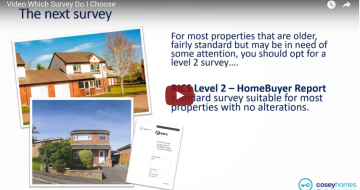 Which survey should I get?
A survey which gives an overall opinion about the condition of a property and a current market valuation. The Homebuyers report is a must for anyone buying a new home.
Designed for older buildings or those which have been altered or are non-traditional, this report goes into further detail about the structure and structural integrity of the property.
Our surveyors are RICS registered valuers and can provide highly accurate valuations suitable to the local area. We consider variables other under-qualified professionals may miss.
If there is a specific issue with your property, you may need a surveyor to make an inspection and recommend certain action. Cracks, subsidence, damp and timber infestation are examples.
A basic visual inspection. This report gives a general opinion about the condition of a property and its contents. Recommended for new-builds and conventional properties.
We have a great deal of experience in commercial property and are well equipped to advise on various matters surrounding commercial viability, structural integrity and valuation.